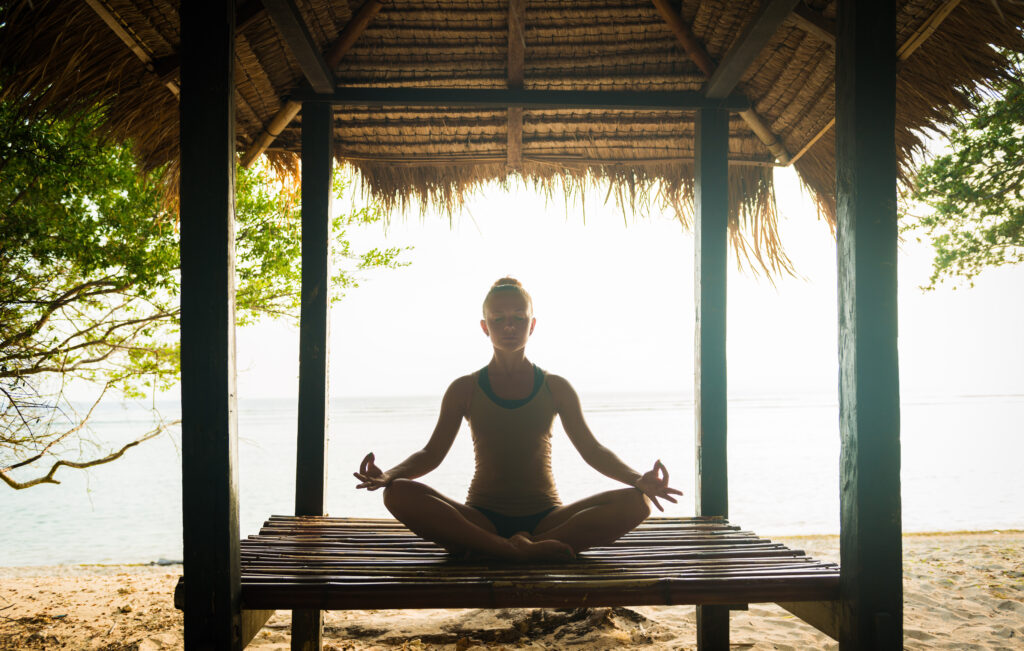
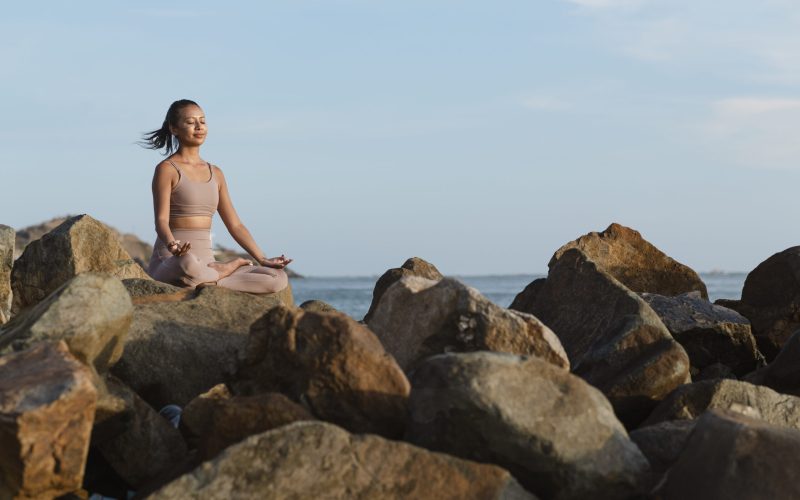
Breathwork is sometimes discussed in conversations about trauma and emotional processing, which can raise questions about what the practice can and cannot support. This article offers a grounded perspective on how Breathwork may relate to trauma awareness, without making medical, therapeutic, or healing claims. Rather than positioning Breathwork as a treatment, it explores how structured breathing practices can support bodily awareness and regulation. In places like Koh Phangan, Thailand, where Breathwork and Meditation are often practiced in calm and contained environments, people may find it easier to notice internal responses. Understanding the limits and appropriate context of Breathwork is especially important for those with trauma histories. This article aims to clarify expectations and emphasize safety, choice, and realistic framing.
Understanding Trauma From a Body Perspective
Trauma is often discussed as something held not only in memory, but also in the body through patterns of tension, posture, and breath. These patterns can develop as protective responses to overwhelming experiences. Breathwork does not attempt to access memories or reinterpret events. Instead, it works at the level of present-moment sensation, where these patterns may be noticed.
From a somatic perspective, trauma-related responses can include shallow breathing, breath holding, or irregular rhythms. Becoming aware of these patterns does not mean changing them. Awareness itself is considered a neutral observation rather than an intervention.
What Breathwork Can Realistically Support
Breathwork can support awareness of breathing patterns and bodily responses associated with stress. Structured practices often emphasize steady pacing, attention to sensation, and self-regulation. These elements can help some people notice how their body responds under focus and rest.
In this context, support does not mean resolution or healing. It refers to creating conditions where awareness and regulation are possible. Breathwork does not replace therapy, nor does it aim to process trauma narratives.
The Importance of Nervous System Regulation
Many Breathwork approaches focus on rhythm and consistency. Predictable breathing patterns can support a sense of orientation and safety for the nervous system. This can be relevant for people who experience heightened reactivity or dissociation.
Regulation is emphasized over intensity. Participants are typically encouraged to slow down, pause, or return to natural breathing if sensations become overwhelming. This choice-based approach is essential when trauma is part of someone’s background.
Conscious Connected Breathwork and Trauma Awareness
Conscious connected breathwork involves maintaining a continuous breathing rhythm for a set period. While this practice can increase awareness of sensation and emotion, it may not be suitable for everyone, especially without proper guidance.
For individuals with trauma histories, clear instruction, consent, and pacing are critical. Many facilitators emphasize that conscious connected breathwork is optional and adjustable. There is no expectation to push through discomfort.
Why Environment Matters
The setting in which Breathwork is practiced can significantly influence how safe and contained the experience feels. In Koh Phangan, retreat and studio environments often emphasize simplicity, quiet, and minimal stimulation. These conditions can make it easier to stay present without external pressure.
A calm environment does not eliminate difficult experiences, but it can reduce unnecessary stressors. This is one reason some people prefer to explore Breathwork in retreat settings rather than busy urban spaces.
What People With Trauma Histories Often Report
Experiences vary widely. Some people report increased awareness of breath and body without emotional intensity. Others notice emotional responses or physical sensations that feel unfamiliar. These experiences are not interpreted as breakthroughs or setbacks.
Importantly, not experiencing anything noticeable is also common. Breathwork does not guarantee emotional access, nor should it be expected to.
The Role of the Facilitator
Facilitators play a central role in maintaining safety and clarity. Trauma-informed facilitation typically includes clear explanations, reminders of choice, and encouragement to self-regulate. Physical adjustments or interventions are usually optional or avoided altogether.
Participants are not expected to share personal experiences publicly. Privacy and boundaries are considered part of the practice structure.
How Breathwork Fits Alongside Other Support
Breathwork may be used alongside other forms of support, such as talk therapy, Meditation, or somatic practices. It is not positioned as a replacement for professional care.
Some people find Breathwork useful as a complementary practice that supports awareness between therapy sessions. Others choose not to engage with it at all. Both choices are valid.
Who Should Approach Breathwork With Caution
Individuals with unresolved trauma, panic responses, or dissociation may benefit from seeking professional guidance before attending Breathwork sessions. Starting with gentler practices or shorter sessions is often recommended.
Open communication with facilitators about comfort levels is encouraged. Responsible Breathwork spaces respect these conversations.
Practical Guidelines for Safer Participation
Participants are often advised to eat lightly, rest beforehand, and arrive early to settle into the space. Listening to the body and adjusting breath intensity are considered essential skills, not signs of failure.
Leaving a session early or opting out of certain practices is generally acceptable in well-structured environments.
In conclusion
Breathwork is not a trauma treatment, nor does it claim to heal trauma. What it can offer is a structured way to notice breath, sensation, and nervous system responses in the present moment. When practiced with clear guidance, choice, and respect for limits, it may support awareness and regulation for some individuals. In environments like Koh Phangan, where calm settings support focused practice, this approach can feel more accessible. Sessions offered by Breath Body Balance reflect a grounded perspective, emphasizing safety, pacing, and clarity rather than outcomes. Breathwork is best understood as a supportive practice, not a solution.