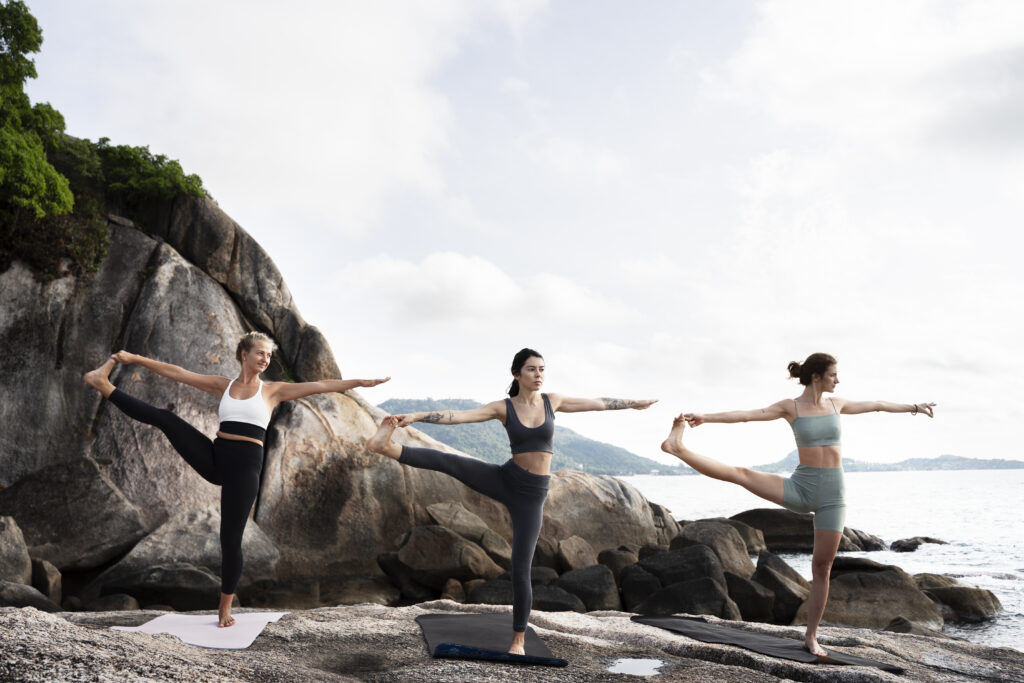
Koh Phangan has become a well-known destination for meditation and breathwork, often associated with retreats, studios, and longer stays focused on inner exploration. While the island is sometimes portrayed in idealized or spiritual terms, meditation and breathwork here can also be approached in a practical, grounded way. This article focuses on how these practices are commonly offered and experienced in Koh Phangan without exaggeration or spiritual promises, emphasizing simplicity, safety, and everyday relevance.
Why Koh Phangan Attracts These Practices
Koh Phangan offers environmental conditions that naturally support slowing down. Warm weather, access to nature, and physical distance from work-driven routines create space for practices that require attention and patience.
Meditation and breathwork benefit from this slower pace, but the island itself is not the source of change. The environment simply reduces external pressure, making it easier to notice breath, bodily sensations, and mental habits that are often overlooked in daily life.
Meditation as a Practice of Attention
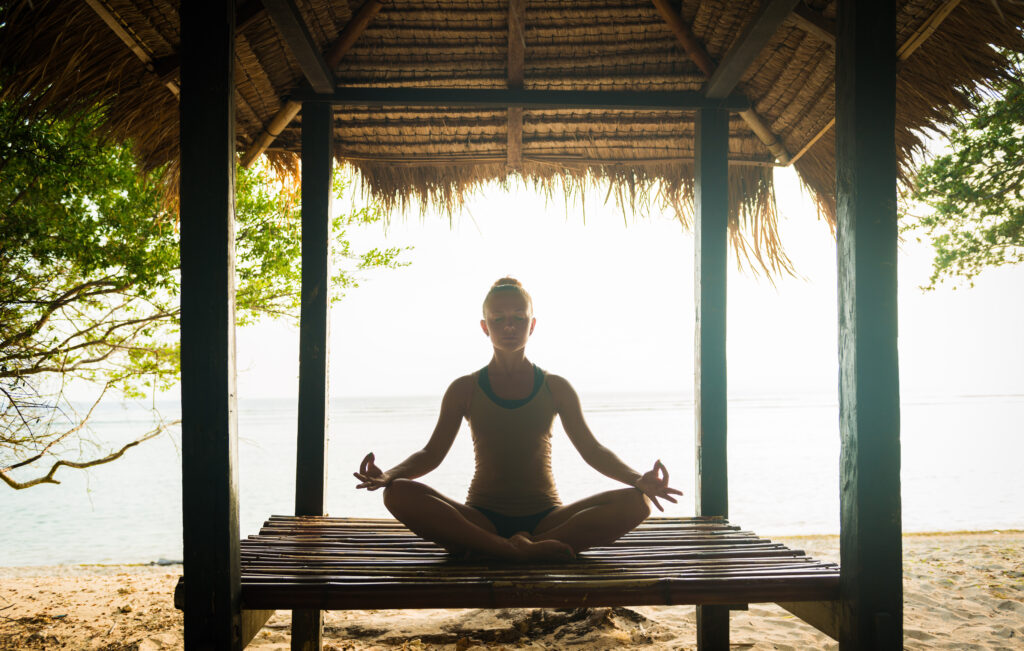
Meditation in Koh Phangan is often taught in a simple, observation-based form. The practice usually involves sitting or lying still and noticing breath, bodily sensations, or mental activity without trying to change them.
Rather than aiming for calm or insight, meditation emphasizes noticing what is already present. This approach helps build attentional stability and familiarity with internal experience, which can later support other practices such as yoga or breathwork.
Breathwork as an embodied entry point
Breathwork focuses more directly on the physical act of breathing. In Koh Phangan, many studios emphasize gentle, regulated breathing rather than intense techniques. This makes breathwork accessible to people new to body-based practices.
By working with breath rhythm and awareness, people often notice how breathing shifts with posture, emotion, and fatigue. This observation alone can support regulation without needing emotional release or dramatic experiences.
How meditation and breathwork complement each other
When practiced together, meditation and breathwork support different aspects of awareness. Breathwork brings attention into the body through sensation and rhythm, while meditation trains attention to remain present without reacting.
In many Koh Phangan classes, breathwork is practiced first to settle the nervous system, followed by meditation in stillness. This sequencing allows physical awareness to support mental observation rather than compete with it.
A focus on safety and choice
A grounded approach to meditation and breathwork emphasizes personal choice. Participants are encouraged to rest, slow down, or stop when needed.
Responsible studios in Koh Phangan communicate clearly about contraindications and avoid pushing participants toward specific emotional outcomes. This approach supports long-term engagement rather than short-term intensity.
What people commonly notice
People often report increased body awareness, clearer perception of breath, and improved ability to notice stress responses. Some sessions feel subtle, others more noticeable, and many feel neutral.
These variations are normal. The practices are not designed to produce consistent emotional experiences, but to support awareness over time.
Integrating practice beyond the island
One benefit of practicing meditation and breathwork in Koh Phangan is learning tools that can be carried into daily life. Simple breath awareness, short sitting practices, or mindful pauses can be integrated into workdays and travel routines.
The value of these practices lies in their portability rather than their location.
In conclusion
Meditation and breathwork in Koh Phangan can be approached as practical tools for awareness rather than spiritual solutions. When taught with clarity, safety, and realistic expectations, they support attention, embodiment, and regulation in everyday life. The island offers a supportive environment, but the practices themselves remain simple and accessible. At Breath Body Balance, meditation and breathwork are offered with this grounded perspective, emphasizing observation, choice, and gradual integration over time.