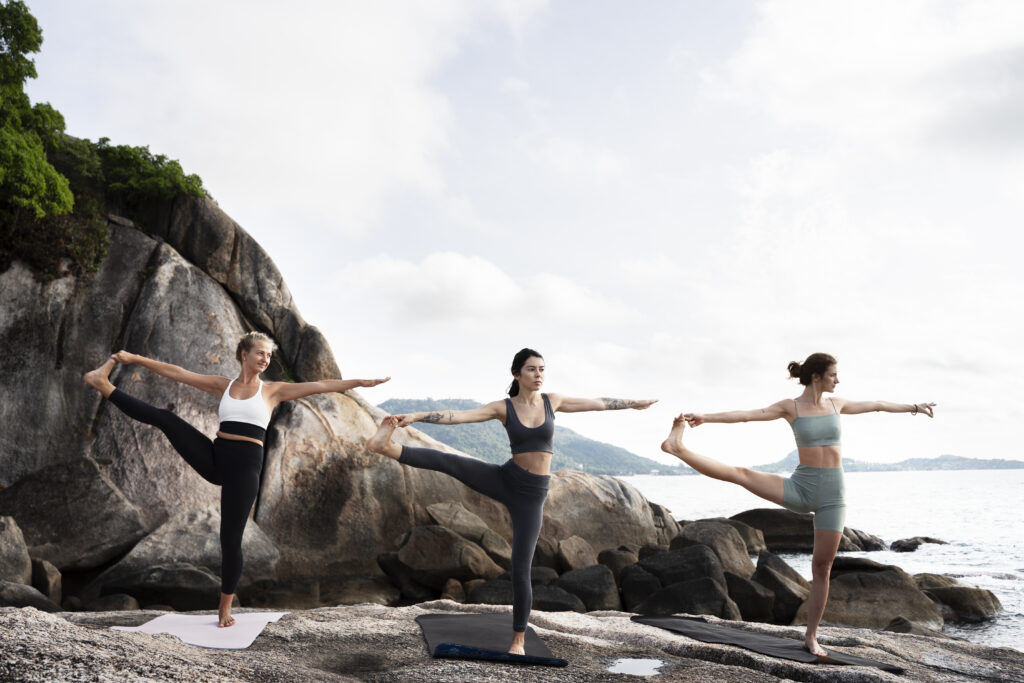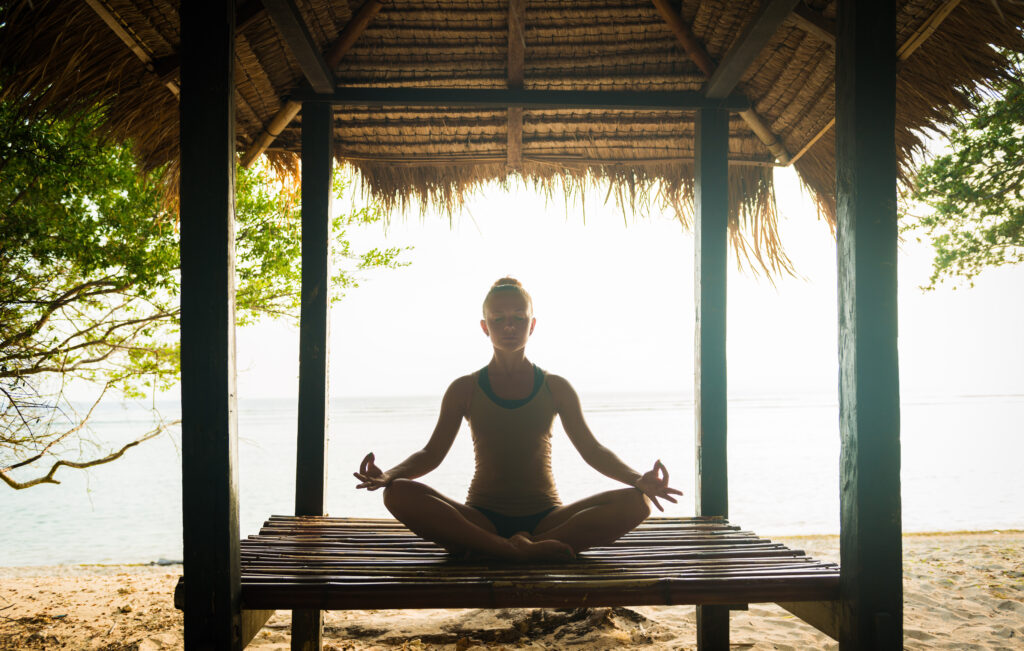
Yoga classes in Koh Phangan attract people with very different backgrounds, goals, and levels of experience. Some arrive looking for structure and discipline, while others are drawn to slower, more supportive practices. Ashtanga and restorative hatha yoga represent two ends of this spectrum and are commonly offered on the island. This article explains how these two styles are practiced in Koh Phangan and why they appeal to such a wide range of participants. Rather than focusing on ideals or transformations, it looks at practical differences, typical class formats, and what people often notice over time. In Thailand, Koh Phangan provides a setting where yoga can be explored with fewer external pressures, allowing practitioners to focus on consistency, awareness, and personal pacing without exaggerated expectations.
Why Koh Phangan Is A Hub For Yoga
Koh Phangan has developed a strong yoga culture over many years. The island’s slower rhythm, natural surroundings, and international community make it easier for people to attend classes regularly.
Yoga studios in Koh Phangan often offer multiple styles side by side. This allows practitioners to explore both dynamic and restorative approaches without committing to a single method. The emphasis is usually on practice rather than performance.
Understanding Ashtanga Yoga
Ashtanga yoga is a structured and physically demanding practice based on a fixed sequence of postures. Classes often follow a consistent order, allowing practitioners to become familiar with the sequence over time.
In Koh Phangan, ashtanga classes are typically taught with an emphasis on breath-movement coordination and steady pacing. This structure appeals to people who value discipline, routine, and gradual progression through repetition.
What People Notice In Ashtanga Practice
Many people report that ashtanga yoga builds physical strength, endurance, and focus. Because the sequence is consistent, it becomes easier to notice subtle changes in breathing patterns, balance, and concentration.
At the same time, ashtanga can feel challenging. Rest is encouraged when needed, and responsible teachers emphasize listening to the body rather than pushing through fatigue or discomfort.
Restorative Hatha Yoga Explained
Restorative hatha yoga focuses on slower movement, longer-held postures, and supported rest. Props such as bolsters, blocks, and blankets are commonly used to reduce physical effort.
In Koh Phangan, restorative hatha classes are often scheduled in the evenings or alongside more dynamic practices. The pace allows participants to settle into stillness and notice sensations without striving for physical intensity.
Experiences In Restorative Hatha Classes
People often describe restorative hatha yoga as calming or grounding, though experiences vary. Some notice changes in breathing depth or muscle tension, while others simply enjoy the sense of rest.
The practice does not aim to achieve flexibility or strength goals. Instead, it offers space to observe the body in supported positions, making it accessible to beginners and experienced practitioners alike.
Comparing Ashtanga And Restorative Hatha Yoga
Ashtanga and restorative hatha yoga serve different purposes but complement each other well. Ashtanga emphasizes movement, rhythm, and consistency, while restorative hatha emphasizes stillness and support.
In Koh Phangan, many practitioners alternate between these styles. Dynamic classes provide structure and physical engagement, while restorative sessions offer balance and recovery without replacing one another.
How Yoga Fits With Breathwork And Meditation
Yoga classes in Koh Phangan are often integrated with breathwork and meditation offerings. Ashtanga naturally incorporates breath awareness through movement, while restorative hatha creates conditions for quiet observation.
These practices are commonly combined in weekly schedules, allowing people to explore how movement, breath, and attention interact over time without pressure to specialize.
Who These Classes Are Suitable For
Ashtanga yoga tends to suit people who enjoy routine, physical challenge, and consistency. Restorative hatha yoga is often preferred by those seeking slower pacing, recovery, or a gentler entry into yoga.
Both styles can be adapted. Teachers in Koh Phangan typically offer modifications and encourage participants to work within their own limits rather than follow a fixed standard.
Integrating Yoga Into Daily Life
One advantage of practicing yoga in Koh Phangan is learning how to integrate it beyond the studio. Simple sequences, breath awareness, or restorative postures can be practiced at home or while traveling.
Rather than relying on long classes, many people adopt shorter, regular practices that fit into daily routines.
In Conclusion
Yoga classes in Koh Phangan offer a practical balance between effort and rest through ashtanga and restorative hatha yoga. These styles provide different entry points into movement and awareness without competing with each other. The island’s supportive environment allows people to explore both approaches with fewer distractions and realistic expectations. At Breath Body Balance, ashtanga and restorative hatha yoga are offered as complementary practices that emphasize consistency, choice, and gradual integration into everyday life rather than fixed outcomes or ideals.