
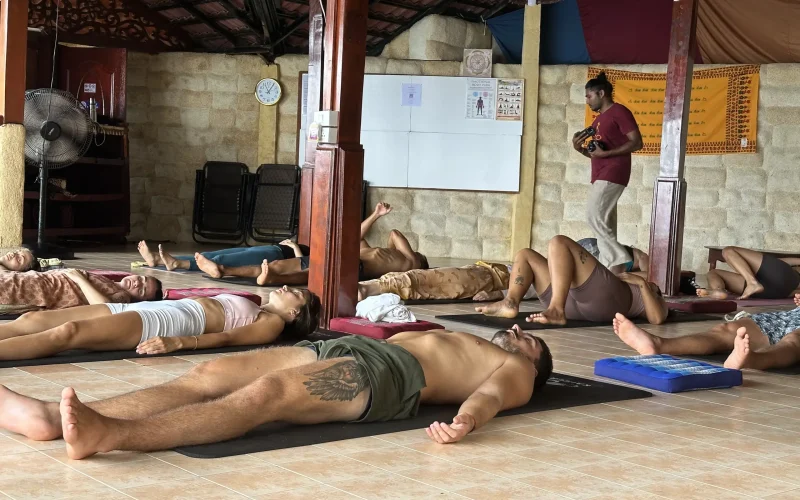
Conscious connected breathwork is a structured breathing practice that uses a continuous rhythm to support awareness of the body, breath, and emotional state. This article explains how the practice works and why many people experience it as impactful, particularly in relation to emotional awareness. Rather than focusing on spiritual ideas or dramatic outcomes, it offers a practical explanation of the mechanics and structure of conscious connected breathing. In places like Koh Phangan, Thailand, where Breathwork and Meditation are often practiced in calm, natural settings, this method is commonly used in group and retreat environments. Understanding how conscious connected breathwork functions can help beginners approach their first session with clarity and realistic expectations, especially when emotions become more noticeable during the process.
What Is Conscious Connected Breathwork
A continuous breathing pattern
Conscious connected breathwork involves breathing in a steady rhythm without long pauses between the inhale and exhale. The breath flows continuously, often through the mouth, for a set period of time.
Conscious participation
Unlike automatic breathing, this practice requires attention. Participants stay aware of the breath cycle and gently return to the rhythm when the mind drifts.
How the Breathing Pattern Affects the Body
Shifts in attention and sensation
Sustained breathing patterns can change how sensations are noticed in the body. People often become more aware of muscle tension, posture, and internal signals.
Engagement of the nervous system
The consistent rhythm of conscious connected breathwork can influence nervous system activity. This may lead to changes in alertness, relaxation, or energy levels during a session.
The Connection Between Breath and Emotions
Emotions as physical experiences
Emotions are not only mental states; they are often felt physically. Tightness in the chest, heaviness in the stomach, or shallow breathing can accompany emotional states.
Breath as an access point
By maintaining a continuous breathing rhythm, participants may notice emotions more clearly as physical sensations rather than stories or thoughts. This awareness can happen without needing to analyze or interpret meaning.
Why Emotions May Surface During Practice
Reduced distraction
During conscious connected breathwork, external distractions are limited. This can make internal experiences, including emotions, more noticeable.
Staying with sensation
Rather than suppressing or amplifying emotions, the practice encourages staying with physical sensation. This creates space to observe emotional responses without acting on them.
The Role of Guidance and Structure
Facilitated pacing
Sessions are typically guided by a facilitator who provides clear instructions and reminders to adjust intensity when needed. This structure supports emotional regulation.
Emphasis on choice
Participants are usually encouraged to slow down, pause, or change breathing style if the experience feels overwhelming. Emotional awareness is approached with respect for personal limits.
Integration After the Breathing Phase
Transitioning back to natural breath
After the active breathing period, participants return to a natural breathing rhythm. This transition helps the body settle.
Quiet reflection
Many sessions include a short period of rest or silence. This allows emotions and sensations to settle without discussion or interpretation.
How This Practice Fits Into Daily Life
Not limited to retreats
While conscious connected breathwork is often practiced during retreats in Koh Phangan or other Wellness destinations, it can also be experienced in shorter sessions or classes.
Complementary to Meditation
Some people combine Breathwork with Meditation or gentle movement as part of a balanced routine focused on awareness rather than outcomes.
Who May Be Drawn to This Practice
People seeking emotional awareness
Those who notice a disconnect between thoughts and feelings often appreciate practices that emphasize physical awareness.
Beginners looking for structure
Clear guidance and defined session boundaries make conscious connected breathwork accessible, even for first-time participants.
Practical Considerations for Beginners
What to expect
Emotional responses vary widely. Some sessions feel neutral, while others bring noticeable emotional awareness. Both are considered normal.
Preparation tips
Arriving rested, wearing comfortable clothing, and avoiding heavy meals beforehand can support focus during the session.
In conclusion
Conscious connected breathwork offers a structured way to explore the relationship between breath, body, and emotions. Its impact comes not from intensity, but from sustained attention and clear guidance. In environments such as Koh Phangan, where simplicity and natural surroundings support focus, the practice is often experienced as especially accessible. Sessions offered by Breath Body Balance reflect this grounded approach, emphasizing awareness, pacing, and respect for individual experience. Rather than promising specific outcomes, conscious connected breathwork provides a practical framework for noticing how breath and emotions interact in real time.