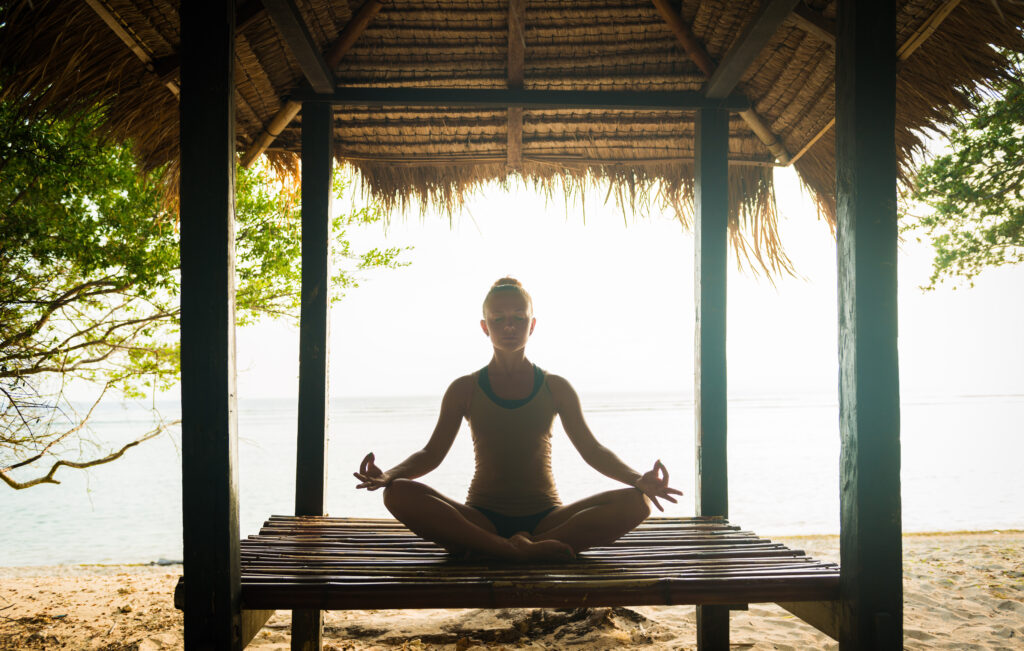
Breathwork and sound-based practices are often offered together in Wellness and Meditation settings, particularly in retreat environments such as Koh Phangan, Thailand. This article explains how these two practices interact and why they are commonly combined to support relaxation and nervous system settling. Rather than focusing on spiritual interpretations or dramatic outcomes, it looks at the practical mechanisms involved. Breathwork uses conscious breathing patterns to influence attention and physiological state, while sound provides rhythmic and sensory support. When combined, they can create a structured environment that makes it easier to remain present and engaged. Understanding how Breathwork and sound work together can help participants approach sessions with clear expectations, especially if they are new to either practice.
Understanding Breathwork in a Structured Setting
Breath as an anchor for attention
Breathwork involves bringing conscious attention to breathing patterns. This focus helps anchor awareness in the body rather than in external distractions.
Rhythm and consistency
Many Breathwork sessions use a steady rhythm, such as conscious connected breathing. This consistency can support a sense of continuity throughout the session.
What Is Meant by Sound Healing in This Context
Use of sound rather than silence
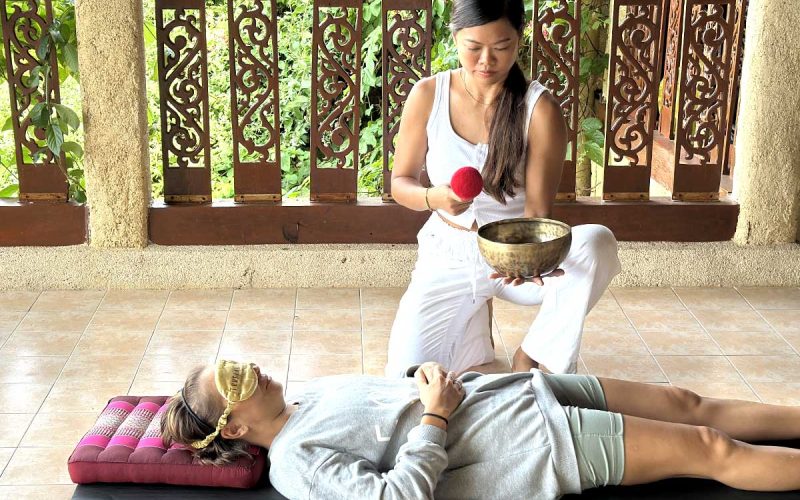
Sound-based sessions may include instruments such as singing bowls, gongs, drums, or recorded soundscapes. These sounds are used to provide a stable auditory environment.
Sound as sensory input
Sound offers continuous sensory input that can help participants stay engaged, especially during longer Breathwork sessions.
How Breathwork and Sound Interact
Synchronizing breath and sound
Sound can support breathing rhythm by providing cues for pacing. Participants may naturally align their breath with the rise and fall of sound patterns.
Reducing mental effort
When sound is present, participants often report less mental effort in maintaining focus. The combination allows attention to move between breath and sound without needing constant control.
Effects on the Nervous System
Shifting states of alertness
Breathwork influences breathing depth and speed, which can affect nervous system activity. Sound adds an external rhythm that supports these shifts without requiring conscious analysis.
Supporting regulation through structure
The predictable nature of both breath rhythm and sound patterns can support a sense of safety and orientation during a session.
Why Sound Can Support Relaxation During Breathwork
Masking external noise
Sound can reduce the impact of sudden or distracting background noises. This helps maintain continuity during the breathing process.
Providing a sense of containment
A consistent sound environment can make sessions feel more contained, especially in group settings where multiple participants are breathing together.
Emotional Awareness During Combined Sessions
Emotions as sensory experiences
During Breathwork, emotions may be noticed as physical sensations. Sound can help keep attention grounded when these sensations arise.
Observation rather than interpretation
Participants are generally encouraged to observe emotional responses without assigning meaning. Sound supports this by offering a neutral focal point.
Typical Structure of a Combined Session
Introduction and preparation
Sessions often begin with a short explanation of both Breathwork and sound elements. Participants are guided to settle into a comfortable position.
Active breathing with sound support
The main phase includes conscious breathing while sound is played live or recorded. Guidance focuses on breath rhythm and self-regulation.
Rest and integration
After active breathing, sound may continue softly while participants rest. This phase allows breathing to return to its natural rhythm.
Who This Combination Is Suitable For
Beginners to Breathwork
Sound can make Breathwork feel more accessible for beginners by reducing the sense of effort or self-monitoring.
Those who prefer guided environments
People who find silence challenging often appreciate the structure that sound provides during Meditation or Breathwork practices.
How It Fits Into Daily Life and Retreat Settings
Common in retreat environments
On islands like Koh Phangan, Breathwork and sound sessions are frequently offered in retreats due to the calm surroundings and slower pace.
Adaptable to shorter sessions
While retreats offer extended sessions, shorter combined practices can also be integrated into weekly classes or personal routines.
Practical Considerations for Participants
Comfort and positioning
Lying down is common during combined sessions, but seated positions are also used. Comfort supports relaxation and focus.
Listening to personal limits
Participants are encouraged to adjust breathing or take breaks if the experience feels intense. Sound is used to support, not overwhelm.
The Role of the Facilitator
Guiding both elements
Facilitators manage both breath cues and sound levels to maintain balance. Clear guidance helps participants feel oriented throughout the session.
Maintaining neutrality
Instructions focus on process rather than outcomes. The goal is awareness and presence, not achieving a particular state.
In conclusion
Breathwork and sound-based practices are often combined because they complement each other in a structured and accessible way. Breathwork offers an internal rhythm, while sound provides external support that can reduce effort and maintain focus. In environments such as Koh Phangan, where natural surroundings already encourage a slower pace, this combination can feel especially supportive. Sessions offered by Breath Body Balance reflect a grounded approach to Breathwork and Meditation, emphasizing clear guidance, choice, and respect for individual experience. Rather than promising specific results, the combination creates conditions that allow relaxation to emerge naturally.