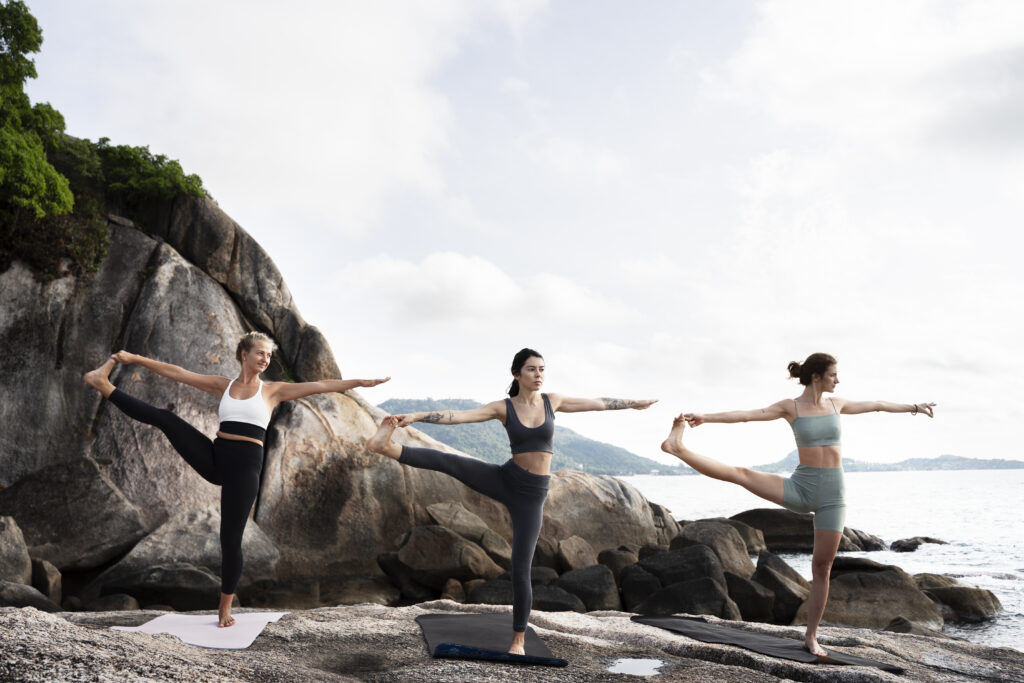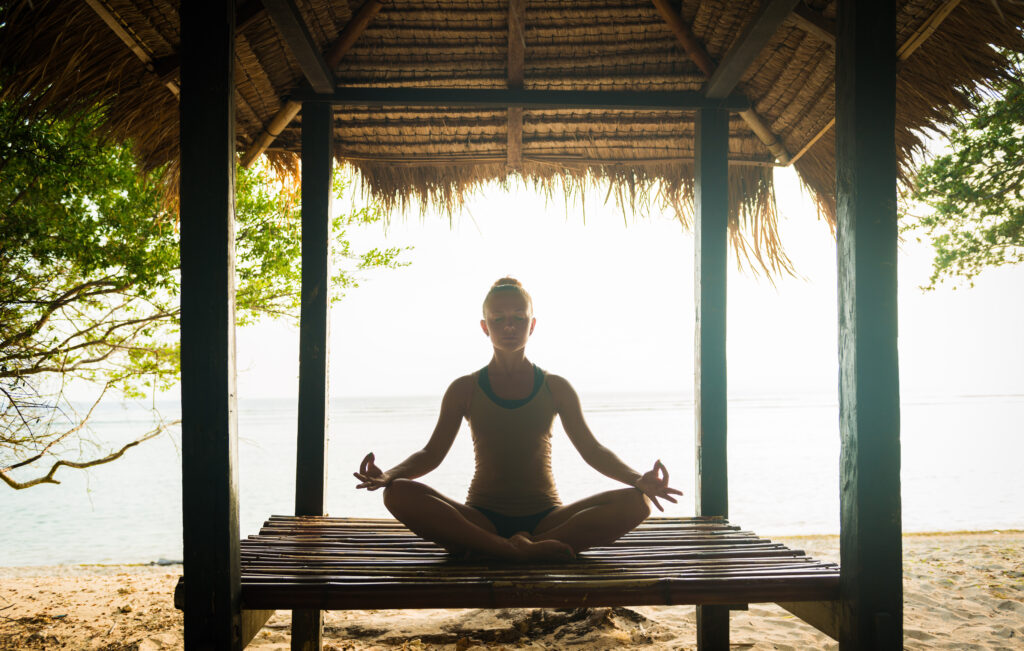
Breath plays a central role across many body-based practices, including meditation, yoga, and somatic work. While each discipline has its own methods and goals, breath is often the common thread that links attention, movement, and internal awareness. This article explores how breath functions within these practices and why it is considered foundational rather than supplementary. Rather than making spiritual or medical claims, it focuses on practical mechanisms and shared principles. In places such as Koh Phangan, Thailand, where Breathwork and Wellness practices are often experienced in calm, natural environments, the role of breath becomes especially noticeable due to fewer external distractions. Understanding how breath is used across different modalities can help practitioners approach each practice with more clarity and intention.
Breath is one of the few bodily functions that is both automatic and consciously adjustable. This dual nature allows it to act as a bridge between involuntary processes and deliberate attention. In Meditation, breath is commonly used as an anchor. Observing the natural rhythm of inhalation and exhalation helps stabilize attention and reduce mental wandering. The goal is not to control the breath, but to notice it as it is, moment by moment. This simple act supports presence without adding effort.
In yoga, breath takes on a more active role. Movement is often coordinated with inhalation and exhalation, creating a steady rhythm that guides posture changes. Breath helps regulate pacing, preventing strain and encouraging smoother transitions. When attention to breath is lost, yoga practice can become mechanical or physically driven. When breath remains central, movement tends to feel more balanced and responsive.
Somatic practices approach breath as a tool for sensing internal states rather than achieving form or stillness. Attention is directed toward how breath moves through different areas of the body and how it interacts with sensation. Subtle changes in breathing can highlight areas of tension, holding, or ease. The emphasis is on noticing rather than correcting, allowing the body’s responses to inform awareness.
Across all three disciplines, breath supports nervous system regulation through rhythm and consistency. Slow, steady breathing patterns can influence levels of alertness and relaxation, while irregular or shallow breathing often accompanies stress or distraction. By paying attention to breath, practitioners gain insight into their current state without needing to analyze thoughts or emotions directly.
Breath also provides a reference point when experiences become challenging. In Meditation, returning attention to breath helps stabilize focus when the mind becomes restless. In yoga, breath offers feedback about physical limits. In somatic work, breath can serve as a grounding sensation when emotions or memories become noticeable. This shared function makes breath a reliable point of orientation across practices.
In retreat environments such as Koh Phangan, the role of breath is often supported by the surrounding context. Slower daily rhythms, natural surroundings, and reduced stimulation make it easier to notice breathing patterns and their effects. Practices that might feel abstract in busy environments often become more accessible when external demands are reduced.
Breathwork sits alongside meditation, yoga, and somatic practices by placing breath at the center of the session rather than as a supporting element. Structured breathing patterns, such as conscious connected breathing, emphasize sustained attention to the breath cycle. While this approach differs in intensity and format, it shares the same foundational principle: breath as a direct way to engage with bodily awareness.
Importantly, breath-based practices do not require forcing or controlling outcomes. The role of breath is not to create a specific state, but to reveal what is already present. Changes in sensation, focus, or emotional tone may occur, but they are approached as observations rather than goals.
In conclusion
Breath plays a foundational role in meditation, yoga, and somatic practices by linking attention, sensation, and regulation. Its value lies in its simplicity and accessibility rather than in promised outcomes. Whether observed quietly in Meditation, coordinated with movement in yoga, or explored through sensation in somatic work, breath offers a consistent point of reference. In environments like Koh Phangan, where Wellness practices are supported by calm surroundings, this role becomes easier to experience. Sessions offered by Breath Body Balance reflect this grounded understanding, using breath as a practical tool for awareness across multiple disciplines. Breath does not need to be mastered; it only needs to be noticed.
See our schedule for upcoming classes.